
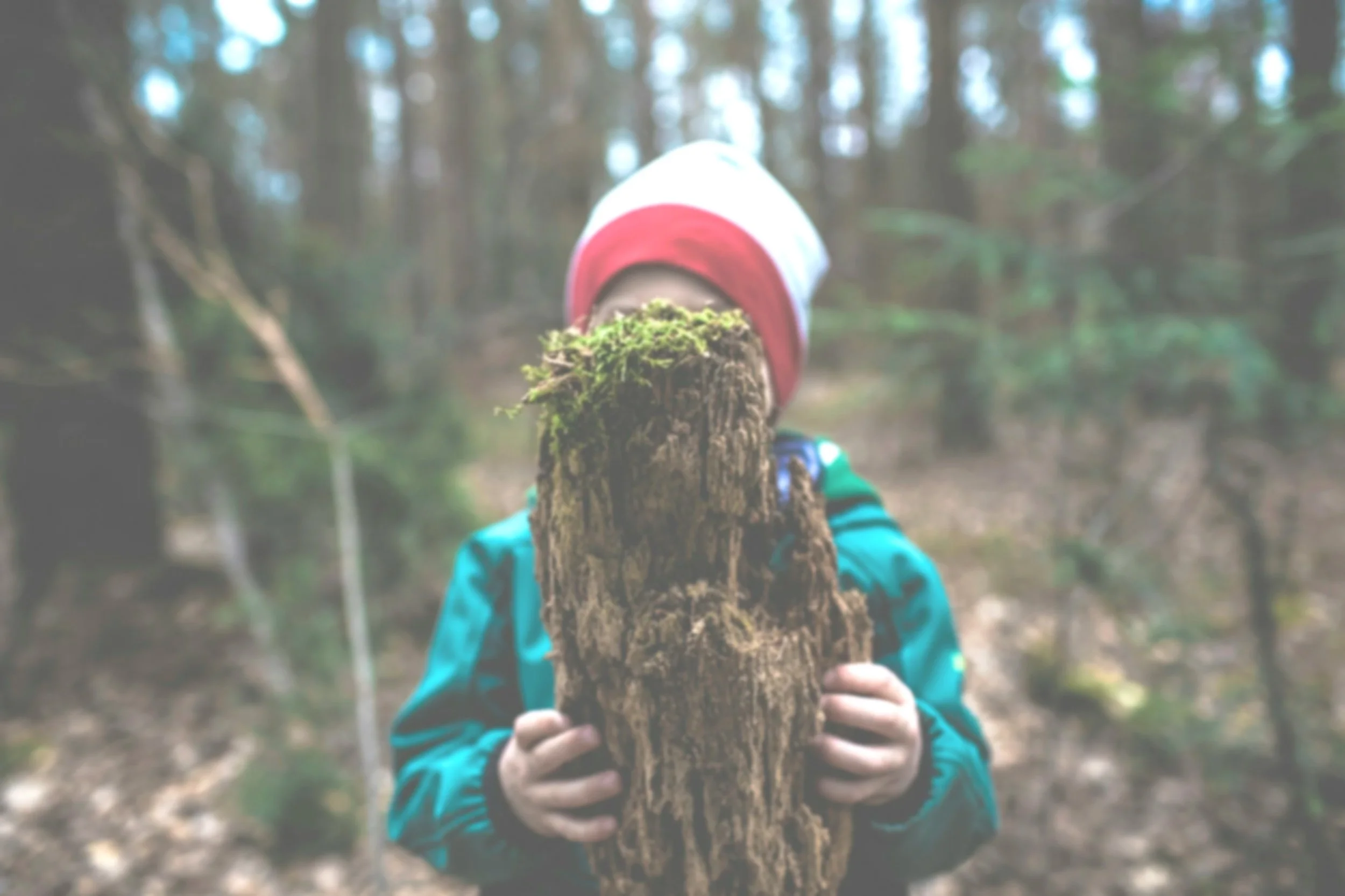
Benefits of Forest School and Outdoor Education
Become Stewards of our Earth: Children who deeply experience nature grow into “Earth stewards” - this means they will respect and defend our planet fiercely, protecting it for future generations.
Empathy: Forest school supports the development of empathy through creating an environment where all members of the group are equal, and encouraging children to talk to each other about how they feel.
Healthy Habits: By spending time outdoors from a young age, children can internalize these habits early on in their lives which can help them become healthier adults with a greater appreciation of the outdoors.
Improved learning: Children with problem-solving skills can better collaborate and benefit from emotional resilience and better cognitive performance.
Less illness: Children who school outdoors spend less time in dry, recycled air which can allow Covid, flu virus, and common colds to easily spread among the children.
More Mindful: By spending more time in nature, looking at the beauty, and smelling the fresh air, children who learn outdoors benefit from nature’s calming effect, are more mindful, and experience decreased anxiety.
So, what are the ways Rain or Shine helps to build these skills?
Daily Nature Immersion
Children are immersed in nature each day, in all weather and seasons. Through a balance of guided experiences and self-directed exploration, they hike, build, create, and move across the landscape.
This consistent time outdoors builds resilience, confidence, and a strong connection to place.
Rooted in Land
The land is our primary teacher. Children spend their days in relationship with the Earth, observing seasonal changes, following curiosity, and learning through direct experience.
Grounded in Steiner education, this connection fosters a deep sense of belonging, respect, and responsibility for the natural world.
Holistic Education in Community
Inspired by Steiner education, we honor the integration of body, mind, and spirit. We weave social-emotional development into each day as children learn to navigate relationships, express themselves, and build empathy through real experiences.
Through shared moments, seasonal living, and connection to the land, children develop a strong sense of identity, belonging, and well-being.
Play, Storytelling, & Expression
Play is the foundation of learning. Through open-ended play, storytelling, music, art, and imaginative experiences, children explore the world and express themselves.
Inspired by Waldorf, we nurture creativity, language, and a rich inner life, allowing learning to unfold naturally.